


Cotton, Linen or Synthetic: Which Makes the Best Tea Towel?
Tea towels are so familiar that we rarely stop to consider where their fibres began.
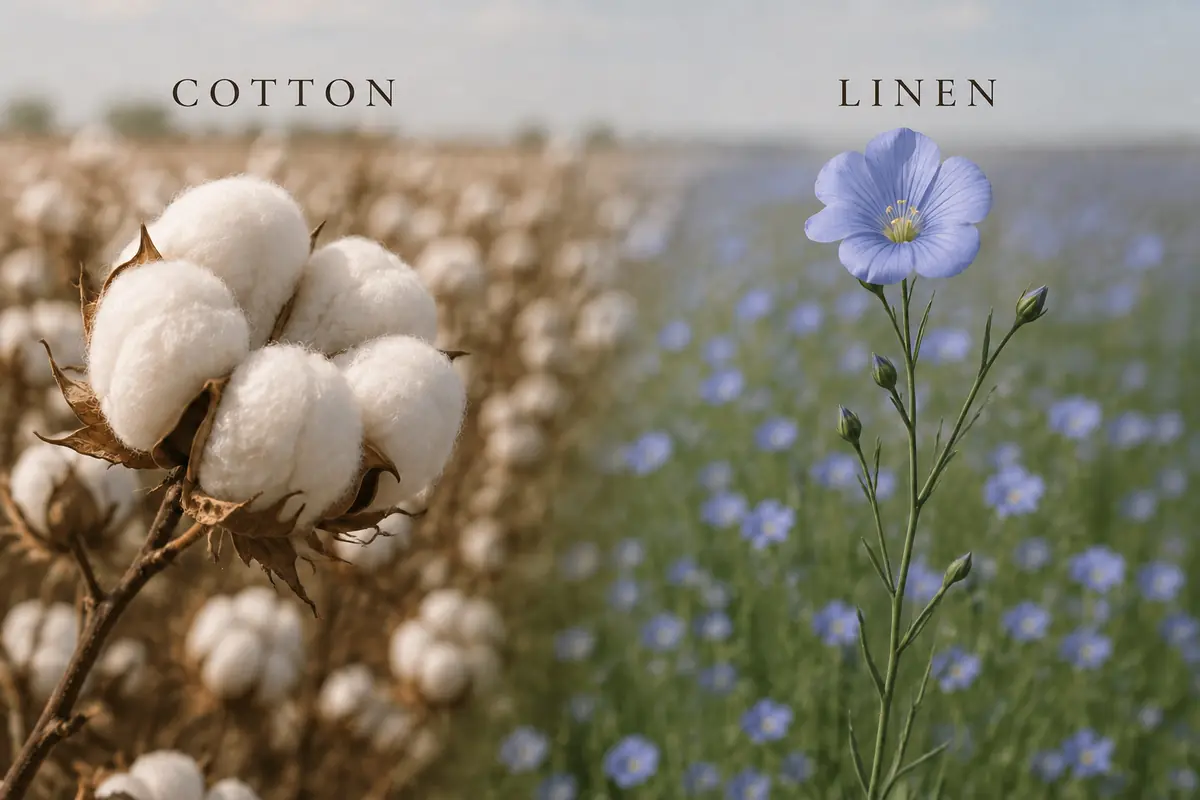
A cotton tea towel starts with a plant growing slowly in a field. Linen begins as flax, while polyester and microfibre cloths are usually created from fossil-derived raw materials through an industrial chemical process.
That does not make every natural fibre automatically environmentally friendly—or every synthetic fibre bad. However, what our tea towels are made from affects how they perform, how long they last and what happens when their useful life finally comes to an end.
Why We Love Plant Fibres
I have always loved textiles made from plants. Having once grown flax and then processed, spun and woven some of it into a rudimentary piece of linen, I gained an enormous appreciation for the work hidden within even the simplest cloth.
Transforming a plant into something we can use requires time, knowledge and skill. A humble tea towel may seem ordinary, but the making of cloth is anything but ordinary.
Why Choose Cotton?
Cotton has remained a household favourite for very good reasons. It is naturally absorbent, soft, washable and strong enough to cope with years of everyday use.
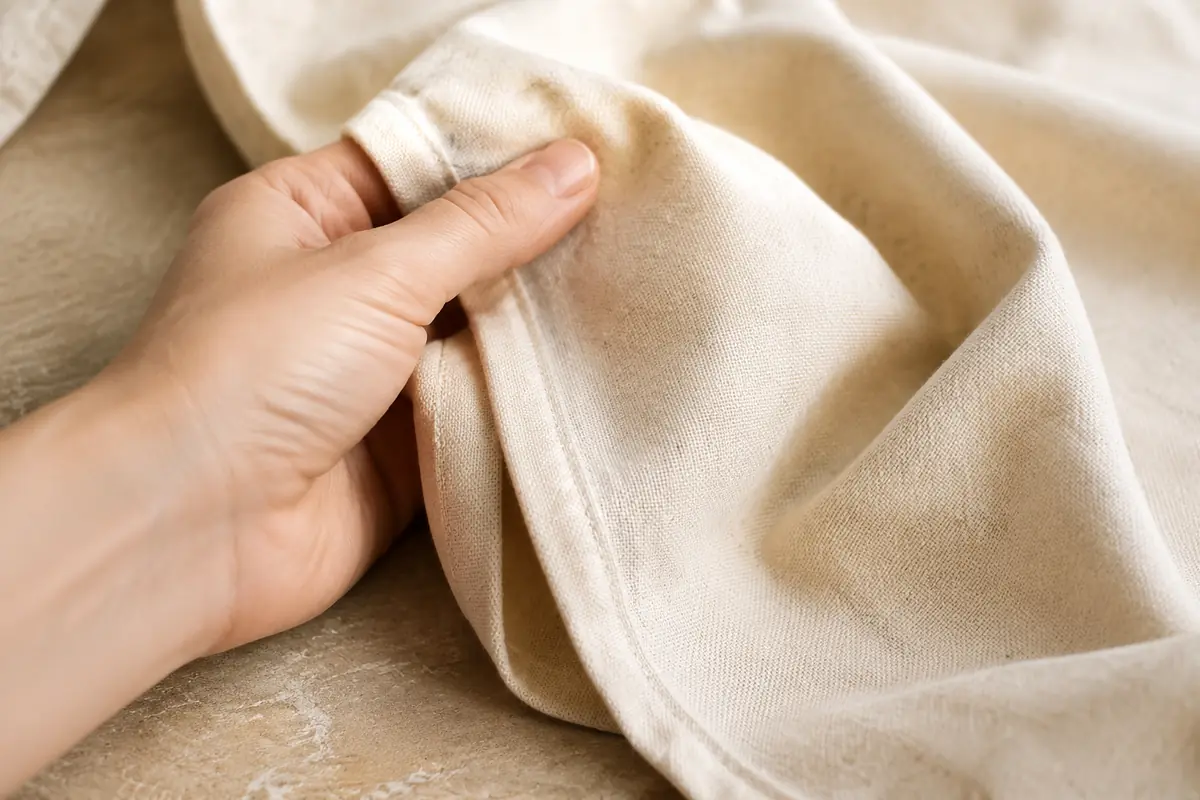
We still use a few tea towels that came from the generation above us. They have been washed countless times and are still doing precisely the job for which they were made. That kind of longevity is one of the most practical forms of sustainability.
Pure cotton also has some important advantages over synthetic cloth:
- It is made from a renewable plant fibre.
- It does not release plastic microfibres when washed.
- It can biodegrade more readily at the end of its life, provided it has not been blended with synthetic fibres or given certain finishes.
- Once it becomes too worn for drying dishes, it can continue serving as a cleaning or polishing cloth.
Cotton production is not without an environmental impact. Growing and processing it requires land, water, energy and sometimes pesticides or other chemicals. No newly manufactured textile is entirely consequence-free.
This is why buying well, using something repeatedly and keeping it for years can matter just as much as the fibre on its label.
How Does Linen Compare?
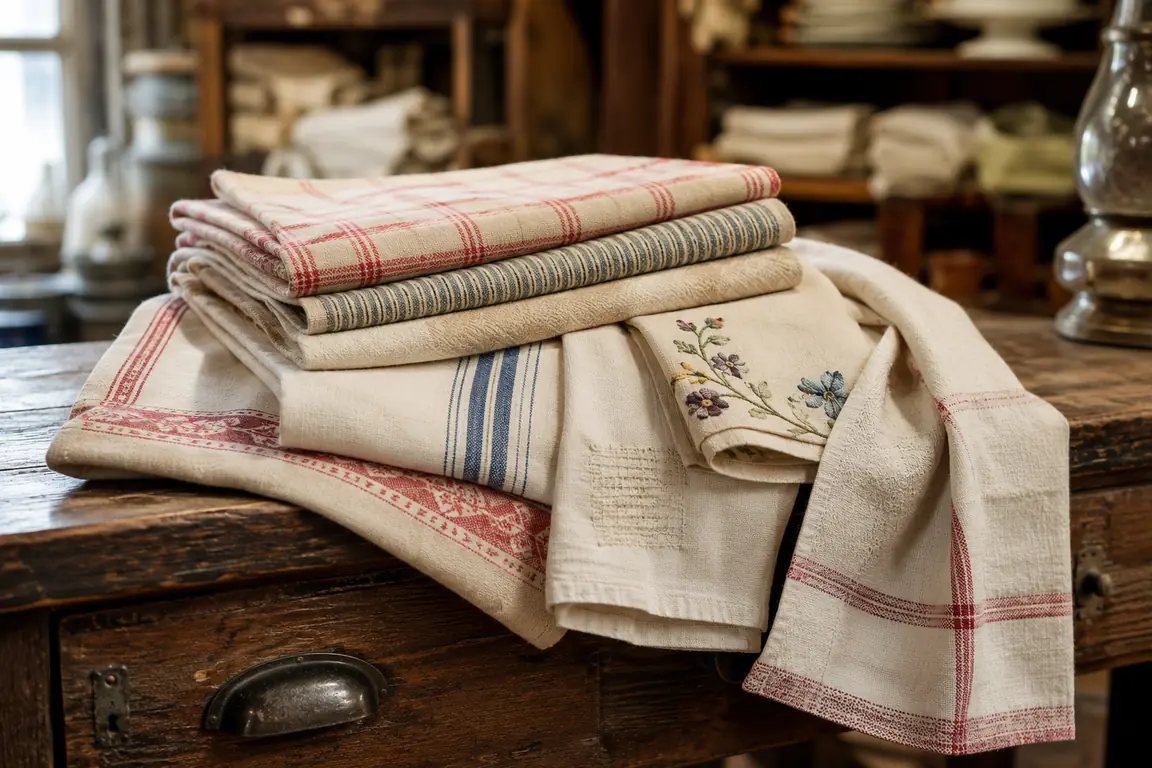
Linen is another wonderful plant-based fibre. Made from flax, it is strong, absorbent and quick to dry. Closely woven linen can be particularly good for polishing glassware because it tends to leave very little lint behind.
However, linen tea towels are usually considerably more expensive. Cotton offers many of the same practical qualities at a more accessible price, making it an excellent everyday choice rather than simply a cheaper substitute.
Cotton and linen need not be treated as rivals. Both are beautiful natural fibres with slightly different strengths—and there is certainly room in the kitchen for both.
Where Do Synthetic Cloths Fit?
Polyester is inexpensive, durable, crease-resistant and quick to dry. Microfibre—usually made from very fine polyester and polyamide fibres—is particularly good at collecting dust, grease and dirt.
Synthetic cloths therefore have genuinely useful qualities. The drawback is that they are forms of plastic. They do not biodegrade like untreated natural fibres and may release microscopic plastic fibres during washing and everyday wear.
There is no need to discard perfectly serviceable synthetic cloths. The most sensible choice is usually to use what we already own for as long as possible, then choose thoughtfully when it eventually needs replacing.
A Simple Tea Towel Life Hack
Brand-new cotton tea towels are not always very absorbent. Residues from manufacturing and finishing can initially make water sit on the surface rather than soaking into the fibres.
Wash new tea towels before their first use, and leave out the fabric conditioner. Fabric conditioner works by coating the fibres, which may make a towel smell lovely and feel smooth but can also reduce its ability to absorb water.
Cotton usually becomes softer and more absorbent after a few washes—so a well-used tea towel may actually perform better than a pristine one.
Why Maybis Has Chosen Cotton
At Maybis, we want our kitchen textiles to be beautiful, genuinely useful and realistically affordable.
We have chosen cotton for our current tea towels because it offers the balance we were looking for: a natural plant-based fibre that is absorbent, durable, washable and pleasant to use. It also provides a beautiful surface for our designs.
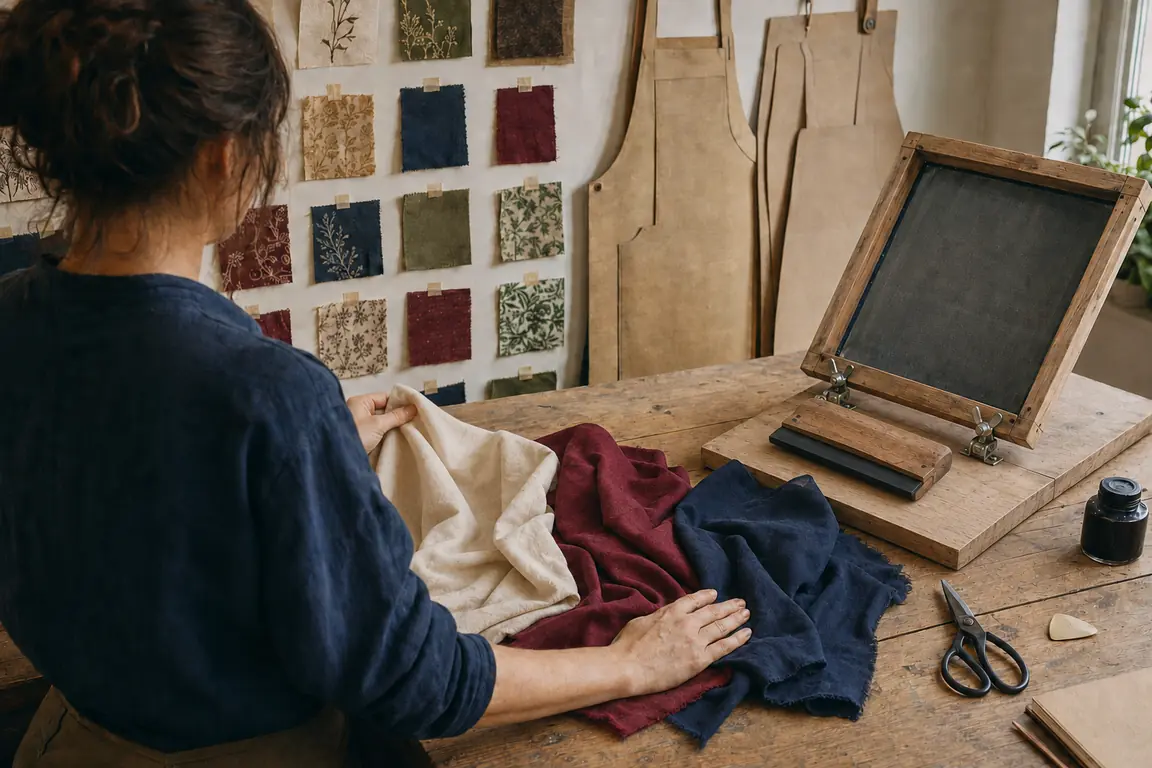
We admire linen enormously and hope to explore it within a future collection. But cotton is not simply a temporary compromise until we can offer something “better.” It is a fibre we genuinely value.
A good cotton tea towel can serve a household for years, soften with age and eventually begin a second life in the utility room for greasy clean-ups. Timeless, absorbent and much loved, it is an everyday necessity that deserves rather more appreciation than we usually give it!